
Memorizing dense, detail-heavy information is one of the most common challenges students and professionals face. Dates blur together, technical terms feel abstract, and long lists refuse to stick, no matter how many times you reread them. This struggle is not a sign of poor intelligence. It is usually a sign that the brain is being asked to store information without structure, imagery, or emotional engagement.
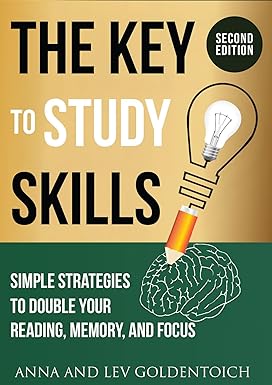
In The Key to Study Skills (2nd Edition): Simple Strategies to Double Your Reading, Memory, and Focus, memorization is treated as a skill, not a talent. When the right systems are applied, even the most boring or complex material becomes manageable and memorable. The goal is not rote repetition, but intelligent encoding.
This article explains how to memorize effectively using creative encoding, vivid imagery, personal markers, and backup strategies when mental blocks appear.
Why Memorization Fails for Most People
Memorization often fails because information is stored passively. Reading and rereading may create familiarity, but familiarity is not memory. The brain remembers best when it detects meaning, novelty, emotion, and structure.
Most academic and professional texts lack all four. They are abstract, factual, and emotionally neutral. Without transformation, the brain treats them as low priority and quickly discards them.
Effective memorization requires active encoding. This means converting raw information into images, stories, symbols, or systems that the brain naturally understands. Once information is encoded properly, recall becomes easier and faster.
The Core Principle: Encode Before You Store
Before information can be remembered, it must be encoded in a form the brain can retain. There are two main approaches to encoding:
- Technical systems, such as memory palaces, PAO (Person–Action–Object), peg systems, and the Major System
- Creative encoding, which uses imagination, humor, exaggeration, and personal associations
Both approaches work. The choice depends on the material and personal preference. Highly structured data may benefit from formal systems, while descriptive or mixed content often works better with creative methods.
The key is consistency. Once you choose an encoding style, apply it deliberately rather than randomly.
Breaking Complex Information into Manageable Units
Complex information becomes memorable when it is broken into smaller, logical pieces. Instead of trying to remember everything at once, isolate individual facts and encode them one by one.
This approach is especially useful for:
- Statistics
- Dates and timelines
- Lists of names or components
- Technical descriptions
Each fact becomes a “unit” that can be attached to a marker, image, or story. When combined, these units form a coherent mental structure rather than a cluttered pile of data.
Using Markers to Anchor Memory
Markers are mental hooks that attach new information to something already familiar. The brain prefers building on existing knowledge rather than creating entirely new structures.
Markers can come from:
- Words that sound similar
- Latin or root meanings
- Movies, characters, or famous people
- Shapes, numbers, or symbols
- Familiar objects or actions
The effectiveness of a marker does not depend on how logical it is, but on how vivid and recognizable it feels to you. A strange or humorous association is often stronger than a serious one.
Once a marker is created, the brain no longer sees the information as abstract. It becomes concrete and recallable.
Making Imagery Vivid, Concrete, and Emotional
Vague images do not last. The more vivid and exaggerated the image, the stronger the memory. Effective imagery often includes:
- Movement instead of stillness
- Exaggerated size or weight
- Strong emotions or surprise
- Humor or absurdity
Consistency also matters. When learning related details, keeping a similar tone or style in imagery helps the brain group information together. This makes recall smoother and more reliable.
Imagery does not need to be realistic. In fact, unrealistic scenes are often easier to remember because they stand out from everyday experiences.
Turning Information into Stories or Comics
When facts are connected through a short story, the brain follows the narrative naturally. Stories provide sequence, causality, and emotional flow, three elements that strengthen memory.
For dense material, imagining the information as a comic strip can be especially effective. Each fact becomes a “scene” that flows into the next. This method works well for:
- Historical events
- Biographical data
- Step-by-step processes
- Grouped technical facts
The goal is not entertainment, but structure. A simple, even silly story is enough to bind information together in a memorable way.
Learning New and Unfamiliar Subjects
New subjects feel difficult because there is little existing knowledge to attach markers to. In these cases, creativity becomes essential.
When familiar references are missing:
- Use sound-alike words
- Borrow meaning from related languages
- Compare unfamiliar concepts to known ones
- Focus on relative size, position, or function
Over time, as knowledge grows, creating markers becomes easier. Each new piece of information expands the network of associations, making future learning faster.
Deciding What Is Worth Memorizing
Not every detail deserves equal attention. Effective learners prioritize information based on usefulness and relevance.
When reading a dense paragraph, ask:
- What is essential to understand the concept?
- What details support recall rather than distract from it?
Names, roles, relationships, and functions are often more important than exact dates or numbers, unless precision is required. Selective memorization reduces overload and improves accuracy.
Handling Mental Blocks During Memorization
Mental blocks happen to everyone. When the mind goes blank, forcing recall often makes the problem worse. Instead, switch strategies.
Relaxation and Visualization
Simple relaxation can restore memory access. Visualizing familiar places, food, or people helps calm the mind and reactivate imagination. Deep breathing improves oxygen flow and mental clarity.
Physical Movement
Light movement, walking, stretching, or jumping in place, activates brain regions linked to visualization. This physical input can restart stalled mental processes.
Dual Coding as a Backup System
Relying on a single memorization method increases vulnerability. Dual coding means alternating between techniques, such as:
- Memory palaces and mind maps
- Visual imagery and mnemonics
- Peg systems and free-form stories
If one method fails, another often succeeds.
Waiting and Revisiting
Some memory processes occur during sleep. Stepping away and returning later can trigger spontaneous recall. Scheduling short reminiscence sessions supports this process.
Searching for Associations
Sometimes the memory itself is hidden, but related associations remain accessible. Light exploration around related keywords can activate the original memory indirectly.
Building a Reliable Memorization System
Strong memorization is not about perfection. It is about resilience. Effective learners always have alternatives when recall fails.
A reliable system includes:
- At least one primary encoding method
- A secondary backup method
- Techniques for relaxation and recovery
- Willingness to adjust strategies when needed
With practice, these methods become automatic. Memorization shifts from effortful to intuitive.
Conclusion: Memorization Is a Trainable Skill
Memorizing complex information does not require exceptional talent. It requires strategy, creativity, and flexibility. By encoding information actively, using vivid imagery and markers, and maintaining backup methods for mental blocks, anyone can improve recall dramatically.
These principles are explored in depth in The Key to Study Skills (2nd Edition): Simple Strategies to Double Your Reading, Memory, and Focus, where memorization is treated as a practical, learnable process rather than a mystery. If you want to master these techniques step by step, the KeyToStudy: Memory Masterclass provides structured training designed for real-world learning challenges.
To receive a discount on the course or learn more, contact us at info@keytostudy.com and take the next step toward confident, efficient memory skills.