
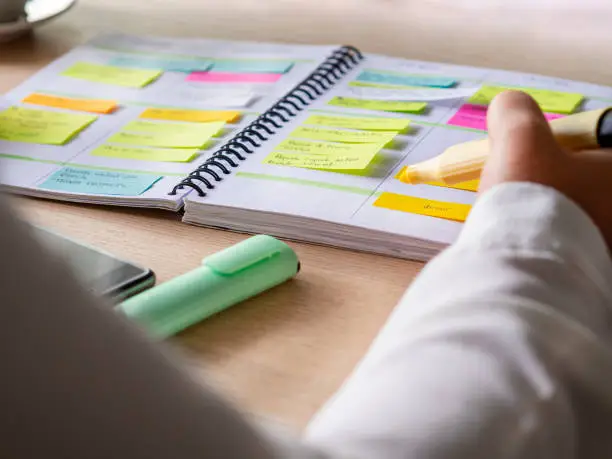
Effective task management is the secret to success in both your personal and professional life. And yet, many people find it difficult to be productive as they sit with an increasingly unmanageable to-do list. This is where a structured approach, such as mapping out what you automate by areas of focus, comes in handy to fight back. However, this practice helps make sure tasks match overarching objectives, easing anxiety and boosting productivity. Having areas of focus allows for when you need to complete a task, it has a category to fall under, creating organized productivity.
You can enhance your skills with prioritization using methodologies such as Getting Things Done (GTD) by David Allen. The GTD system focuses on capturing, clarifying, organizing, reviewing, and engaging with tasks, which naturally fit the domains of focus. As a framework for sustainable productivity, this method pairs well with less multitasking, digital to-do lists, and revision of lists daily. How to create a to-do list in areas of focus gives you a more structured way to prioritize and in this way, you emphasize what you do and avoid distractions to help you not leave anything essential behind.
In this article, you will learn how to sort to-do lists, refine productivity through topic areas, and implement proven strategies for efficiency. In the end, readers will know how to “organize tasks using areas of focus”, priming them for long-term success.
Understanding Areas of Focus and Their Role in Productivity
Areas of focus are high-level areas that encompass the different areas of your life or work to where you want to pay attention. In contrast to granular or localized tasks or projects, such areas provide structure so that all work conducted under these umbrellas is aligned with broader aims. For instance, these areas may include work, personal development, health, relationships, and finance. Group tasks into these categories to ensure that important responsibilities don’t get lost in the shuffle, and balance is maintained not just in 1 aspect of life.
David Allen’s Getting Things Done (GTD) method synergizes with this total work-life view through its notion that tasks should be grouped based on contexts. It can provide you with a framework for breaking down your tasks into actionable steps and making sense of what needs to get done and offers regular reviews of your progress. You have eight areas of focus — real examples, and you sort tasks accordingly as per their focus.
In thinking about ways to organize to-do lists, you can structure them according to the areas of focus you have. Rather than a long, disorderly list of things to be done, divide responsibilities into delineated categories. This makes the list easier to digest and gives out time and energy in an even way.
Essential Strategies for Organizing Tasks Effectively
Organize Your To-Do List by Categorizing Tasks
An unstructured to-do list can be overwhelming. If you want to make your list more effective and manageable, section tasks by their type, priority, or urgency. The breakdown between sections of tasks like work or personal, urgent, or longer-term, helps you to visually lay out what the priorities are moving forward and allows you to focus on what matters. You automatically decrease the decision fatigue associated with scrolling through a haphazard list. Additionally, dividing tasks avoids the feeling of overwhelm, as work seems more organized and manageable.
So, one great way is to segment whatever you are doing into logical categories, so it doesn’t all get overwhelming. Dividing our work into categories such as urgent, important, or optional allows us to stay on task while also keeping tabs on less essential tasks.
Apply the ‘SUG’ Method to Prioritize Tasks Effectively
Workload prioritization is crucial in work managed efficiently, and the method (Should, Urgent, Growth) is a great way to prioritize your tasks. ‘Should’ encompasses things that need to be done but aren’t necessarily urgent. ‘Urgent’ means tasks with a deadline that need to be attended to immediately and ‘Growth’ means activities that help in one’s personal or professional growth. Using this framework helps create the balance between daily necessities and long-term development, stopping immediate actions from hindering growth-focused tasks.
The SUG Method (Should, Urgent, Growth) is a prioritization technique that provides a balance between immediate needs and long-term development. This allows people to prioritize important work while still providing time for self-reflection and growth.
Boost Accountability by Sharing Your To-Do List
One of the most effective ways to motivate you is to share your to-do list with others. For example, you can present your designated feel to your colleagues, family members, or your group, publicizing your goals provides extra accountability to you. You’re more obliged to follow through when others know about your commitments. The usefulness of this in team environments cannot be overstated; sharing our workload promotes collaboration and the celebration of our teammates when they tackle new challenges. Additionally, discussing progress with others can provide valuable feedback and fresh perspectives.
This creates accountability to the wider public which, in turn, helps motivate. Sharing a task list with colleagues, friends or an online community creates commitment and provides accountability for assigned duties.
Structure Your Day for Optimal Productivity
Day planning is one of the tips to improve focus and efficiency. Rather than reacting to incoming tasks ad hoc, schedule your most important work. Train your time management muscle — Start with dedicated time blocks for deep-focus tasks, minimizing distractions during these timeframes. Introduce buffer periods between meetings to avoid burnout, and carve out time for replies to e-mails and administrative tasks. By planning out your day ahead of time, you ensure that work is balanced but also it removes the stress of not knowing what will come next or having to make spontaneous decisions.
Efficiently structuring the day with intention is key, and Blocking out specific chunks of time for focused work, meetings, and breaks prevents interruption and optimizes efficiency.
Track Your Achievements by Keeping a Completed Tasks List
Should it be a list of completed tasks, it visually showcases what has been accomplished, further solidifying motivation and productivity. Instead of writing down the things still left to do, write down all the things you did throughout the day. Having this practice has a few benefits, such as the feeling of progress, visualizing working patterns, and understanding areas of improvement. Also, looking back and reflecting on what’s been accomplished brings into focus what’s worked best in terms of managing time efficiently and effectively.
Tracking things you have completed will keep you motivated and help you feel accomplished. It also assists in evaluating ways of working further to drive efficiencies into forthcoming task planning.
Incorporate Enjoyable Activities into Your To-Do List
This allows to keep a work-life balance which is essential for sustained productivity. Writing the things you love going to do on your duty list helps you to be engaged and excited. Whether that be as a retreat from work or a way to socialize with friends, setting time aside to do something you enjoy has been shown to alleviate burnout and increase overall health. In addition, having something to anticipate can be a motivator to get through boring yet necessary work. It’s all about balancing work and play, and staying productive in a healthier manner.
Including fun activities in daily plans creates a work-life balance and helps to increase productivity. Make time for hobbies or relaxation to be productive in the long haul.
Avoid Overload by Setting Realistic Daily Task Limits
Letting yourself get tired from trying to do too much in a day to be productive. Rather than cramming your schedule, limit yourself to one to two realistic tasks daily. Focus on your 5-7 most critical items to produce the best quality work. Limiting your intended agenda creates time for psychic space for deep work and flexibility for emergent but high-priority tasks. This also increases a sense of accomplishment as you finish what you said you would.
A work schedule with too many activities causes stress and poor effectiveness. By limiting the day to 5-7 tasks, the focus is on fewer items that are generally billable and lead to high-quality, non-burned-out output.
Enhance Productivity by Revising Your To-Do List Daily
A to-do list is a changing document that needs constant tweaks. When you wake up or when you go to bed spend time going through and modifying your to-do list. Evaluate what is completed, what needs to be brought forward, and if any new insights have arisen. Daily Review: Reviewing your tasks keeps your work priorities on point and prevents tasks from piling up and going by the wayside. And it provides some flexibility, as you can modify if things shift around or you get someone pinging at you.
They check and adjust their task list daily to ensure their priorities match changing situations. Do not check tasks that are not linked to other tasks and make the ones accomplished be evaluated to eliminate or postpone the uninformed items.
Maintain Long-Term Focus with a Weekly Project List
A weekly project list also provides a different perspective on tasks and helps move forward with alignment to long-term goals. Instead of just working on your daily to-do’s, spend the beginning of each week identifying work that should come first in your key projects list. This ensures that you are not scrambling to get everything done in the final days of the week but are maintaining a steady pace steadily completing tasks throughout the week. It also ensures a nice balance between the urgent and the ongoing, leading to a more proactive and less reactive approach to work and productivity.
It will ultimately help you stay productive over a long time as a well-structured weekly task plan. Setting big goals, upcoming deadlines, and regular tasks at the beginning of a week helps the person work more efficiently toward goals.
Improve Efficiency by Focusing on One Task at a Time
It may sound counterintuitive, but multitasking is not the productivity hack that most people think it is. Dividing our attention into several tasks diminishes our cognitive performance and increases the time it takes to finish them. To gain focus and to get stuff done, devote yourself to finishing one task before going to the next. Employ strategies like time blocking or the Pomodoro method to keep your attention focused on individual tasks. This benefit alone goes a long way towards improving the quality of work as well as reducing mental fatigue and making sure that each responsibility gets the attention that it needs.
Contrary to the common belief, multitasking lowers productivity overall. Multitasking compromises your work quality, increases the chance of making mistakes, and has adverse effects on cognitive performance which ultimately lowers the quality of your final output.
Maximize Organization with a Digital To-Do List
Such digital task management tools trim the clutter found when organizing and tracking responsibilities. Apps like Todoist, Notion, and Trello enable users to organize tasks, create deadlines, and set reminders to help create more effective planning. Unlike paper lists, digital to-do lists are flexible, allowing real-time updates and collaboration with other people. Moreover, these applications can also synchronize between devices, so you can see your tasks no matter where you are or what device you are using. Utilization of digital solutions increases productivity and ensures task management is more organized and flexible.
Digital tools like Todoist, Notion, and Trello provide structured task management and are a great option for organizing your projects. With a digital system, you can benefit from accessibility, real-time updates, and integration with calendars.
Conclusion
Getting the hang of organizing your tasks using areas of focus is central to productivity mastery. However, by identifying and organizing tasks within structured categories, individuals provide stewardship over commitments, allowing for better overall time management, organization, and alignment towards higher-level goals; a taxable system, rather than a flat tax, if you will. When you incorporate tried and tested methods like David Allen’s Getting Things Done (GTD) method, the SUG method, and weekly project planning, you can improve how you manage what you need to do so that productivity can become a more sustainable state.
So while maximizing your efficiency is good, using digital to-do lists, tackling your tasks based on your energy levels (hello, non-multitasker,) and incorporating balance-boosting activities into your day, does not spell the end of the world as we know it. Whether it is structuring a daily agenda, designing weekly plans, or tweaking task lists in real time, these are all habits that shape us for success in the long run.
Using these techniques can help anyone learn how to organize to-do lists and achieve a more systematic approach to what they are doing in life, both professionally and personally. At the end of the day, the secret to sustainable success is consistency, prioritization, and adaptability.